
 Image 1 of 3
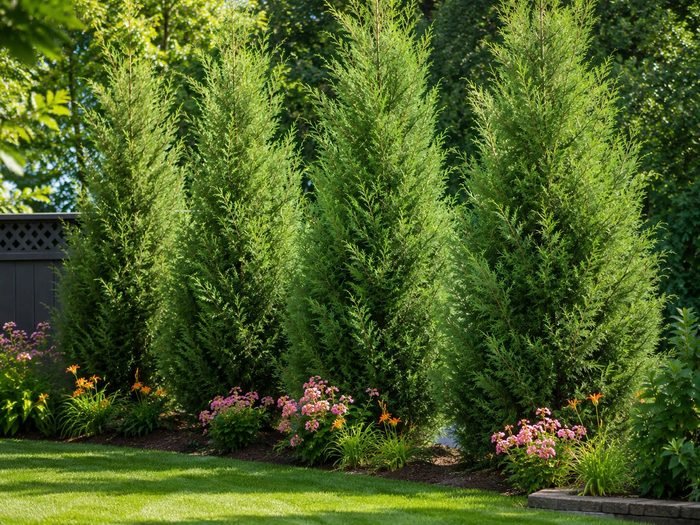 Image 2 of 3
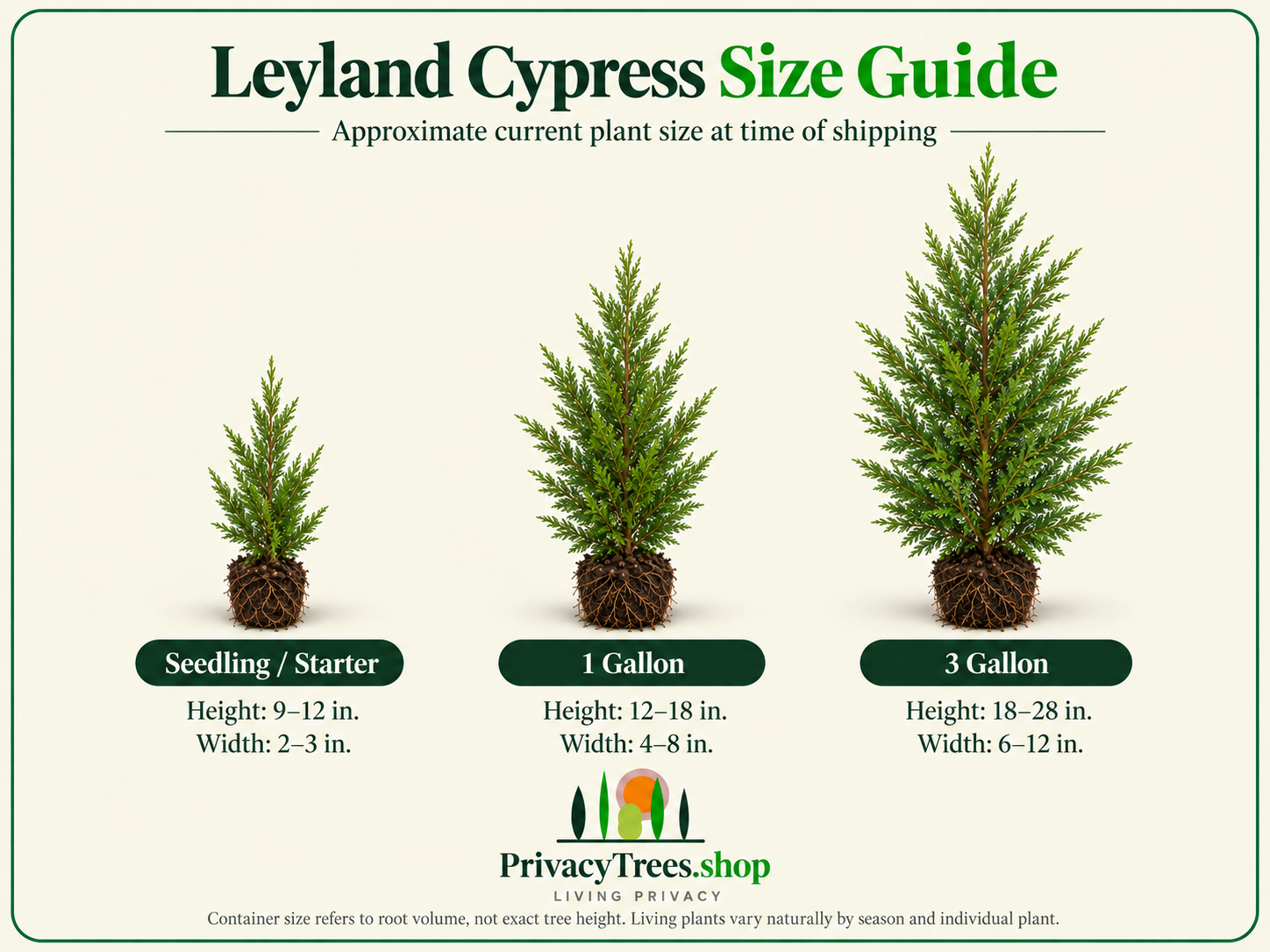 Image 3 of 3
Leyland Cypress — Pedigree Starter Sapling
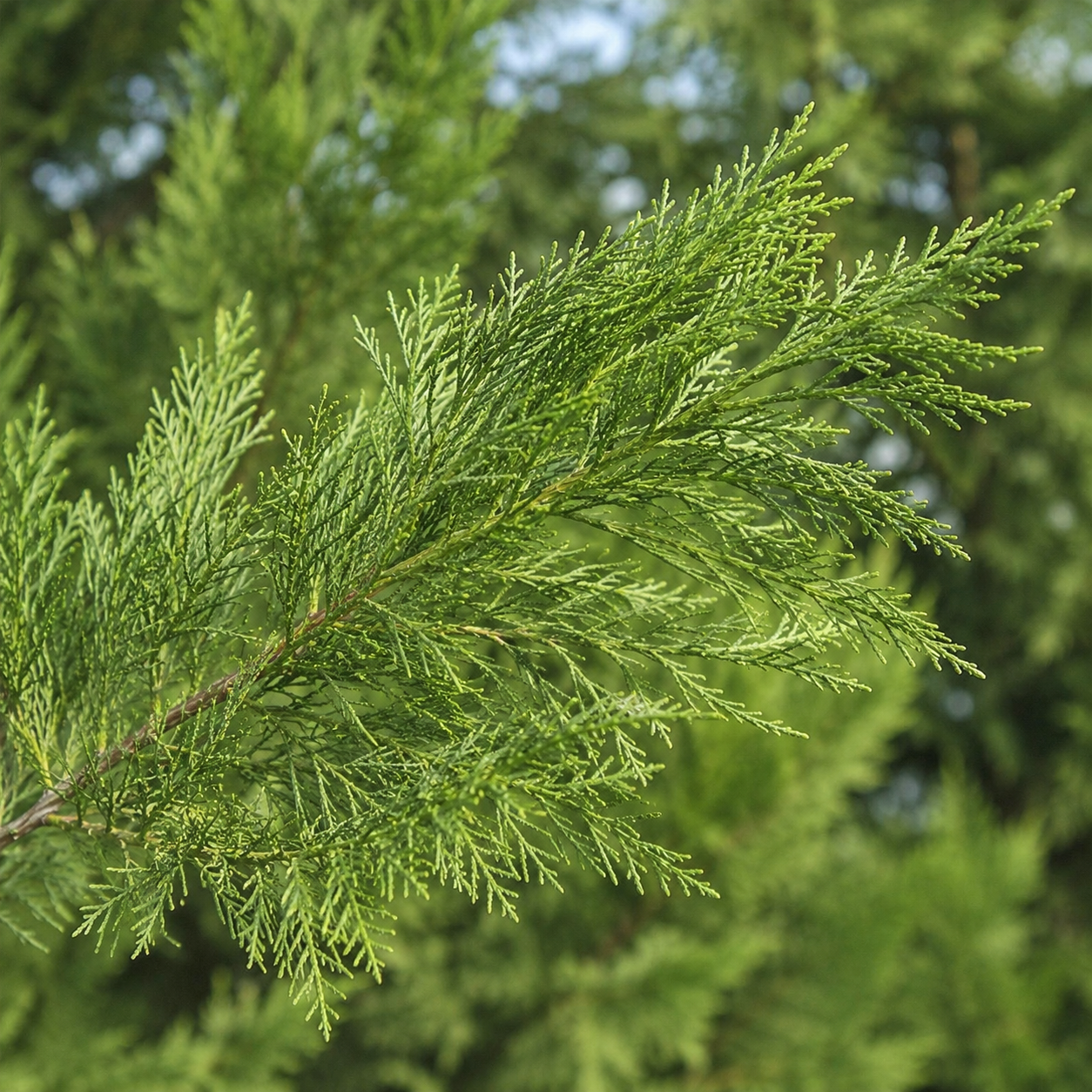
The accidental giant of the privacy world. Leyland Cypress is one of the fastest-growing evergreen privacy trees available, forming a tall, feathery screen with graceful, arching branches and soft texture. Fast, dramatic, and built for people who need a serious living screen and have the space to let it rise.
At a Glance
Hardiness: USDA zones 6–10
Type: Evergreen conifer — fine, feathery foliage
Light: Full sun, with airflow. Sun to part shade tolerated
Mature height: 60–70 ft, sometimes far more
Mature width: 12–20 ft open-grown, about 14 ft in a screen
Growth rate: Very fast — 3–4 ft a year when young
Screen spacing: 8–12 ft apart
Soil: Well-drained and fertile preferred; adaptable to acid or alkaline
Drainage: Critical. Wet feet cause root rot
Deer: Not reliably deer-proof
Best for: Large properties, long boundaries, fast height where there's room
Maintenance: Low pruning, but watch for bagworms and canker
What Size Will My Tree Be?
Container size describes the root ball, not the tree. A 3-gallon tree isn't three times taller than a 1-gallon one — it has three times the root volume, which is what drives how fast it takes off once it's in your soil.
Seedling / Starter — 9–12 in tall, 2–3 in wide. Ships now. Sold on this page as 2.5-inch rooted cells.
1 Gallon — 12–18 in tall, 4–8 in wide. Ships now.
3 Gallon — 18–28 in tall, 6–12 in wide. Pre-order.
Living plants vary naturally by season and individual plant. Size ranges are approximate at time of shipping.
Which Size Should I Choose?
Seedling / Starter. The economical way to plant a long boundary. Leyland grows fast once away, but a starter still needs a full season to root in before it does anything dramatic.
1 Gallon. Established roots and real top growth — the balance most buyers want. See the 1-Gallon Head-Start.
3 Gallon. Our most established size and the biggest head start we grow. On a tree that adds 3–4 ft a year, starting a foot ahead compounds — but it still has to root in first. See the 3-Gallon Head-Start.
Is This Tree Right for Your Space?
A good choice if you want
The fastest height of anything we sell
A soft, feathery screen rather than a hard formal wall
To cover a long boundary on an open property
Something happy in full Southern sun
Think twice if
You can't give it 8–12 ft between trees. Crowded Leylands stay damp inside and get canker — the number one reason they die in the Southeast
The ground stays wet. Root rot follows standing water
You want a fast wall in a narrow side yard — plant Thuja Green Giant instead
You want to plant tight against a fence or building; it needs air on both sides
You aren't willing to watch for bagworms
Planting Recommendations
Sun: full sun, open on both sides. Airflow is not optional for this species.
Spacing: 8–12 ft on centre. Go to the wider end on a humid, sheltered site — airflow is what keeps canker away.
Depth: root ball level with grade or slightly proud. Never below.
Drainage: the make-or-break factor. On heavy or low ground, plant on a raised mound.
Mulch: 2–3 in, kept off the trunk.
First watering: deep soak at planting to settle the roots.
View the Complete Planting & Care Guide
First-Year Care
Leyland rewards a good first year and punishes a careless one harder than Thuja does. Most Leyland problems trace back to water — too much or too little.
Water: deep and regular, but let the top few inches dry between waterings. Dig down 4 inches to check rather than guessing.
Mulch: maintain the ring; keep it off the bark.
Fertiliser: hold off the first year.
Heat and drought: drought stress is what opens the door to canker. This is the species to keep watered.
Winter: water in dry, unfrozen spells.
Wildlife: protect young plants. Leyland has no useful deer resistance.
Watch for: bagworms in summer — pick them off early, before they defoliate a branch.
Give Your Tree a Better Start
Mycorrhizal Bio-Shield — helps young roots explore more soil, which matters on a species this sensitive to drought stress.
Wildlife Protection Bundle — Leyland isn't deer resistant. If deer come through your property, this isn't optional on young plants.
Safe-Zone Up-Potting — for starter buyers who want to grow them on before planting. Useful if your site needs drainage work first.
Companion Planting
At 8–12 ft apart the gaps are part of the design for years. Plant into them rather than squeezing more Leylands in — crowding is what gets this species killed.
Fill the gaps: Thuja Green Giant between Leylands closes the screen sooner while leaving each Leyland its airflow. The two together solve what neither does alone.
Low layer: wax myrtle or inkberry to close the bottom while the Leylands run up.
Woodland edge: serviceberry or dogwood at the margin for seasonal interest.
Plan Your Privacy Wall
Privacy Wall Visualizer — see a Leyland screen at 8 ft spacing versus 12 ft before you commit.
Privacy Timeline Calculator — how much longer the wider end of the range takes to close.
Wall Cost Calculator — wider spacing means fewer trees. Sometimes it's cheaper.
Before You Order
Measure the run, and the width you can give each tree
Confirm full sun with air moving through
Check 12–20 ft of mature spread will fit
Work out spacing and quantity at 8–12 ft on centre
Test drainage — dig a hole, fill it, see if it drains within an hour
Confirm you can water through the first summer
Plan deer protection if needed
Read the planting guide before delivery
Check the forecast before planting
About Our Pedigree Trees
Our pedigree starter saplings are rooted 2.5-inch cells grown with small-batch attention from named mother trees on our sanctuary property. Best planted in full sun with good airflow — spacing matters more than quantity for this variety. These are living trees — availability may vary by batch, season, and plant readiness.