What 300-Year-Old Trees Teach Us About Time and Endurance
Some trees live on a timescale so large it is almost impossible to understand. They do not live in days, seasons, or even decades. They live in centuries. Some live in millennia.
A Visit to the Redwoods
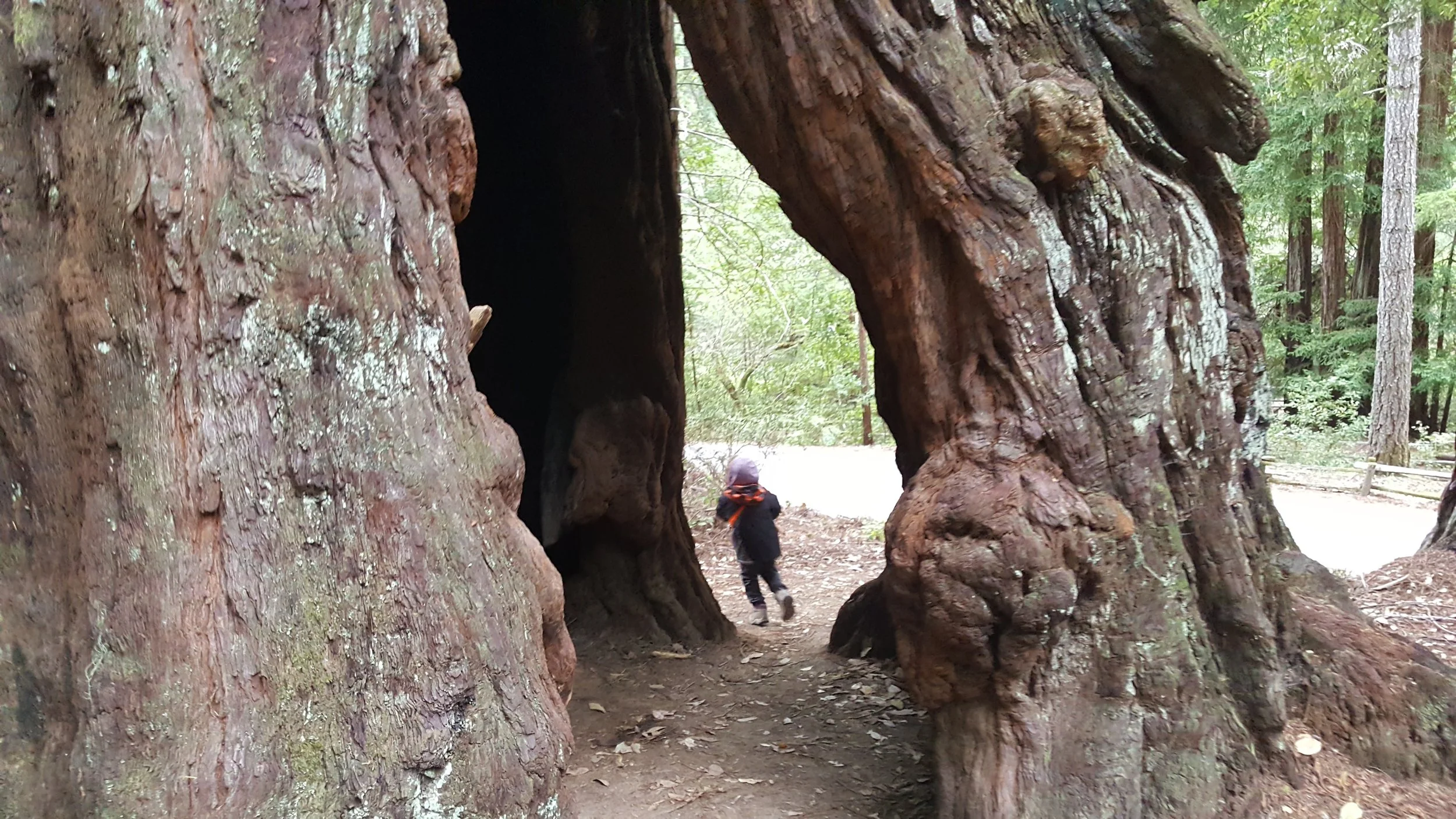
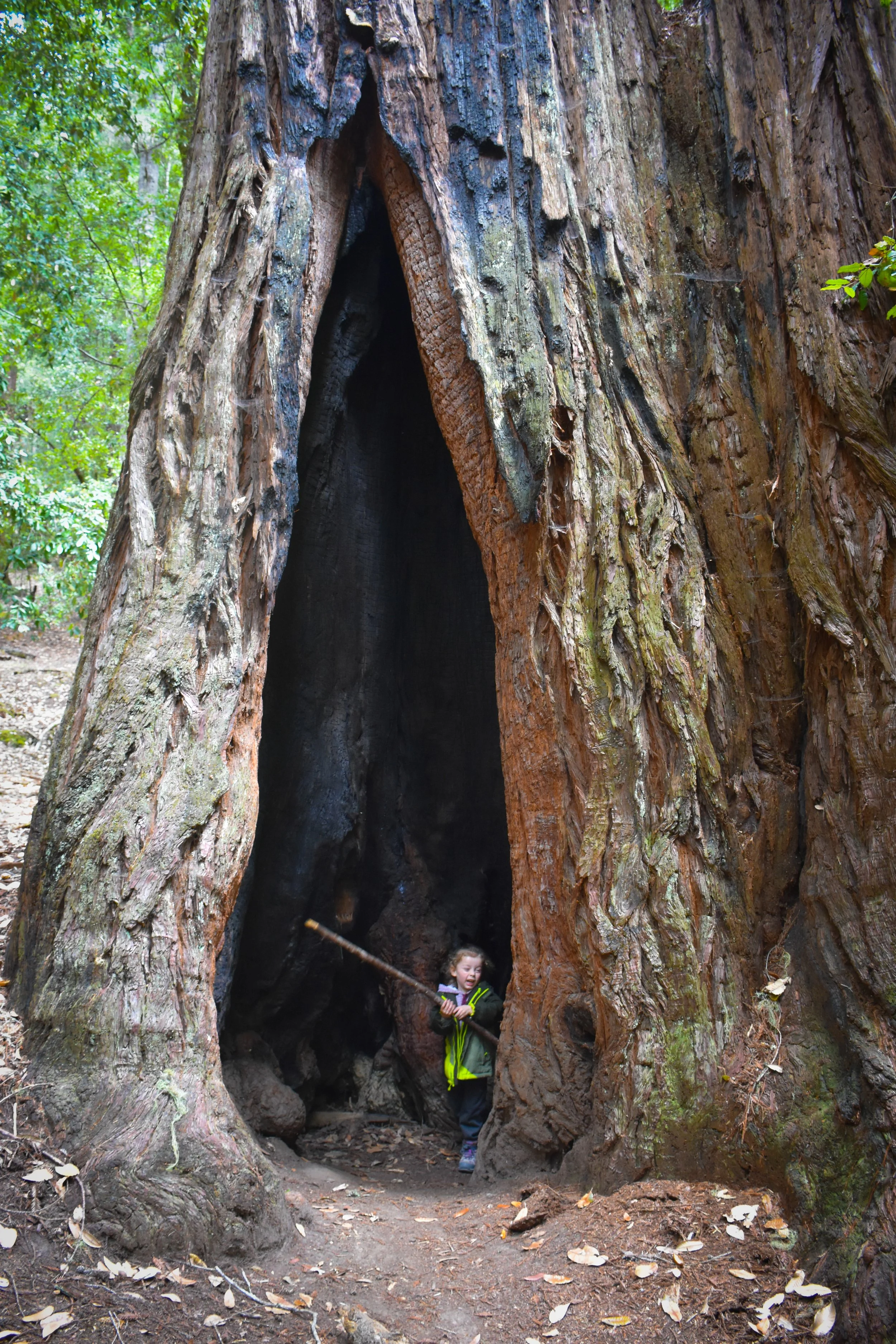
I didn’t fully appreciate this until I visited Sequoia National Park about 10 years ago. I’d seen some large trees in my time, but I never imagined a tree could be so large you could walk through it or even live in it. Here are a few picture of my kids about 3 years old at the time walking through some of the trees in the park.
Trees to Live In
Giant redwood in Sequoia National Park in California.
Immortal Redwood
Giant redwood in Sequoia National Park in California.
The General Sherman Tree in this park is the largest tree in the world, is about 52,000 cubic feet. And to get an idea about how tall they are, they’re “as tall as an average 26-story building, and their diameters at the base exceed the width of many city streets.” That’s right. They’re wider than most city streets. But how did they get to be so big. Well the answer is obviously their environment. These trees are lucky enough to grow in an environment with mild winters and summers and a deep snowpack. But the truth is, they got this large because they are old. How old? Try over 6,000 years old.
A tree can stand through the rise and fall of families, neighborhoods, cities, languages, and civilizations. It can outlive the people who plant it, the house beside it, the road near it, and the generations who walk past it without ever really seeing it.
Some naturalists argue that trees are among the closest things we know to immortal beings. Not because they cannot die, but because many do not appear to carry a fixed expiration date in the way humans do. Left undisturbed, a tree may continue living, renewing, repairing, growing, and adapting until outside forces finally overcome it.
This does not mean trees cannot die. They can die from drought, fire, disease, insects, injury, soil disturbance, climate stress, human destruction, gravity, structural failure, or time acting on the body of the tree. But some trees and tree systems appear capable of living far beyond the ordinary limits we associate with individual life. They do not age the way we age. They continue.
Most of us will never stand beside the oldest known trees on earth. But we do stand beside trees. Old oaks. Cedars. Magnolias. Pines. Cypress. Thujas. Maples. Hollies. Trees that may be fifty years old, one hundred years old, two hundred years old, or more.
The Old Tree on Our Own Land
On our own sanctuary property, we have a tree that is at least 200 years old and may be 300 or 400 years old. We do not know its exact age, but we know this: it was here long before us. It has stood through storms, heat, cold, drought, noise, silence, grief, growth, and change. It has been part of this land longer than any house, fence, driveway, or garden bed.
A privacy tree may begin as a practical purchase. You need a screen. You need separation. You need shade. You need relief from noise, views, traffic, neighbors, heat, or exposure. But if that tree lives, it becomes more than a product.
From Small Sapling to Living Giant
A Thuja Green Giant may one day rise 30 or 40 feet tall. A Leyland Cypress may one day tower 70 or 80 feet into the air. What began as a small tree in a pot can become a living presence large enough to change the feeling of an entire property.
Trees are the gentle giants of the world. They stand in front of us every day, often unnoticed, while quietly making life on earth more possible. They breathe with us. They shade us. They cool us. They shelter other living beings. They hold soil. They mark time. They endure.
Ought we not respect their right to be here? Ought we not wonder what they have to teach us?
A living privacy screen is not a dead wall. It is a row of young giants. It is a future canopy. It is a promise made in green. To plant trees is to participate in time. To care for them is to practice respect. To stand beside them is to remember that we share the earth with lives much older, slower, and larger than our own.
Go touch a tree. You may be standing beside something that knows more about endurance than you ever will.
You Might Also Like